Top 6 Humanoid Robots to Watch in 2026
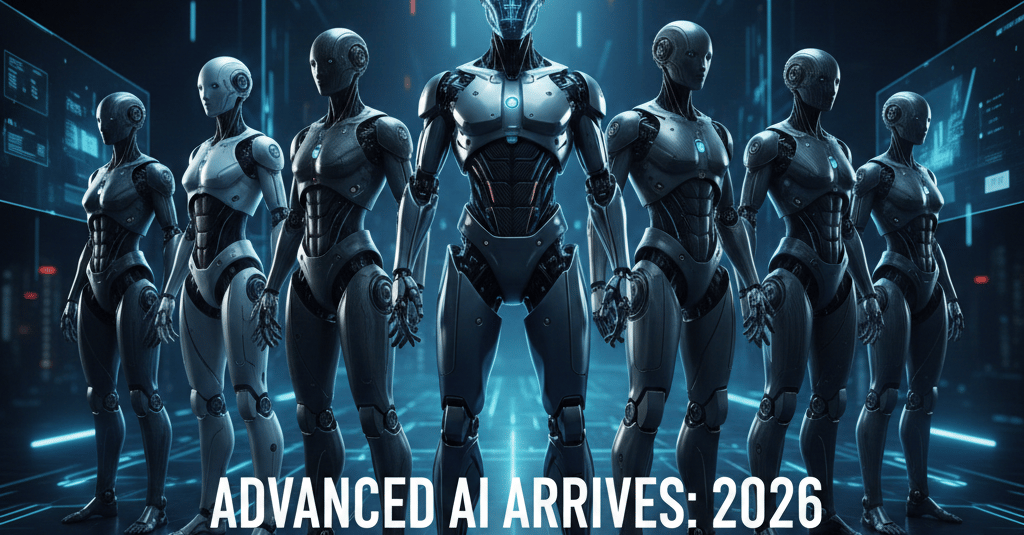

As the robotics industry accelerates, 2026 is shaping up to be a breakthrough year for humanoid robots — machines designed not just to mimic humans, but to assist in real-world tasks across factories, logistics, research, and even homes. From commercial rollouts to cutting-edge AI integration, these six models are the ones defining the future.
1. Figure 03 — The Industrial Generalist
Who’s behind it: Figure AI
Why it matters: Figure’s latest humanoid builds on its early production platform, combining advanced AI with practical manipulation skills for manufacturing and logistics. Industry experts increasingly rank Figure’s robots among the most capable in 2026 thanks to their dexterity and task versatility.
Key use cases: Working alongside humans in factories, automated sorting, and complex material handling.
2026 status: Pilots and early enterprise deployments ongoing; broader use expected later in the year.
2. Tesla Optimus Gen 3 — The Mass-Market Hope
Who’s behind it: Tesla
Why it matters: Tesla’s Optimus has been one of the most hyped humanoid projects in robotics — and in 2026 its Gen 3 version aims for wider production readiness with improved joints, mobility, and AI control. It’s been positioned by Tesla as a bridge between industrial robots and future consumer-grade assistants.
Key use cases: Factory assistance today; potential home helper tomorrow.
2026 status: Production ramp discussions continue, with formal consumer availability expected beyond 2026.
3. Boston Dynamics Atlas (Electric) — Agility Meets Application
Who’s behind it: Boston Dynamics
Why it matters: Long the poster child for robotic agility, Atlas has graduated from stunt-style demos to real industrial roles. The electric version unveiled at CES 2026 showed strong mobility, balance, and whole-body control — valuable for dynamic environments like warehouses or construction.
Key use cases: Material handling, inspection, research, and hazardous tasks.
2026 status: Initial deployments are planned with major corporate partners, while wider commercial release timelines target the coming years.
4. Unitree G1 — The Accessible Performer
Who’s behind it: Unitree Robotics (China)
Why it matters: The G1 is notable for bringing agile humanoid capabilities to a much lower price point than traditional industrial robots. It’s already shipping in volume and earning attention for its strong mobility and performance at a fraction of the cost.
Key use cases: Research labs, universities, service-oriented automation.
2026 status: Widely available and frequently featured at tech exhibitions for its fun demos and practical performance.
5. 1X NEO — Household-Focused Humanoid
Who’s behind it: 1X Technologies
Why it matters: Unlike many industrial humanoids, the 1X NEO focuses squarely on human environments — operating safely around people with soft actuators and quiet movement. It made headlines at CES 2026 for preorders and early consumer availability.
Key use cases: Domestic tasks like tidying, object handling, basic assistance.
2026 status: Preorders open with first shipments expected in 2026.
6. Agility Robotics Digit — The Logistics Specialist
Who’s behind it: Agility Robotics
Why it matters: While not as humanoid in form as others, Digit’s bipedal design excels in real environments like warehouses and fulfillment centers. Its mobility and efficiency make it one of the most deployed humanoid-style robots today.
Key use cases: Logistics, trailer unloading, bin moving.
2026 status: Commercial availability with several enterprise partners.
Trends to Watch in 2026
Across these leading robots, several key themes emerge:
AI integration: Robots are increasingly powered by advanced models that let them understand visual and voice cues.
Real deployment: 2026 marks a transition from demonstrations to actual work in factories and warehouses.
Affordability: More accessible models like the Unitree G1 and 1X NEO suggest humanoids will spread beyond elite labs.